
Finding the right level of support for an elderly or vulnerable relative can be overwhelming, especially when search results return a mix of terms that all sound similar. Should you be looking at Herefordshire care homes, exploring home care housing options, or considering home care delivered in someone's own home? Each path suits a different situation, and understanding the difference early can save families significant time, stress, and money.
This guide compares the main options available to families in Herefordshire and neighbouring counties, so you can make a confident, informed decision.
Herefordshire Care Homes: What to Expect
Herefordshire care homes range from small, family-run residential homes to larger nursing facilities, generally offering:
- 24-hour staff support
- Full accommodation, including meals and housekeeping
- Personal care assistance with washing, dressing, and medication
- Social activities and communal living spaces
Residential vs Nursing Care in Herefordshire
As with most counties, Herefordshire care homes split broadly into two categories:
- Residential care homes — daily living support without a nurse permanently on-site
- Nursing homes — daily living support plus a registered nurse on duty around the clock, for residents with more complex medical needs
What to Look for When Researching Herefordshire Care Homes
- A current, positive CQC (Care Quality Commission) inspection rating
- Clear, written information about what's included in weekly fees
- Good staff-to-resident ratios and low staff turnover
- A warm, homely atmosphere during an in-person visit
- Honest answers about funding options and any additional costs
What Is Home Care Housing?
Home care housing is a term covering a range of supported housing options that sit between fully independent living and a residential care home. Rather than living in a care facility, residents have their own self-contained home, with varying levels of built-in support depending on the scheme:
- Sheltered housing — independent flats with an on-site warden or alarm system
- Extra care housing — independent living with on-site care staff available for daily support
- Supported living — tailored housing and support plans, often used by both older adults and younger adults with disabilities
Home care housing can be a good middle-ground option for someone who values independence but wants reassurance that support is close by if needed.
Home Care: Support in Your Own Home
For many families, the very first step isn't a move at all — it's arranging home care delivered directly in a relative's existing home. This is true whether you're based in Herefordshire or searching specifically for home care Wiltshire services, since the model works the same way regardless of county:
- A carer visits at scheduled times to help with personal care, meals, or medication
- Visit frequency can range from once a day to several times daily
- Live-in care is also an option for those needing more continuous support
Home care allows people to remain in familiar surroundings for as long as it's safe to do so, and is often the most cost-effective starting point before considering home care housing or a move into residential care.
How to Decide Which Option Is Right
A few honest questions can help families work out where to start:
- Can your relative manage daily tasks safely with occasional help, or do they need supervision throughout the day?
- Would they prefer to stay in their own home, or would a change of environment with built-in support and company suit them better?
- Are there ongoing medical needs that require a nurse on-site, or is the support mostly around daily living?
- How much informal support can family and neighbours realistically provide alongside paid care?
If you're still unsure, a care needs assessment through your local council, or an honest conversation with a few different providers, can help clarify the right next step.
A Note for Families Searching Across Counties
It's common for families to research options across more than one area — for example, comparing Herefordshire care homes with home care Wiltshire services if relatives live in different parts of the country, or if a move closer to family is being considered. The same questions and comparison points apply wherever you're searching: what level of support is needed, what's included in the cost, and how does the option fit your relative's preference for independence versus reassurance.
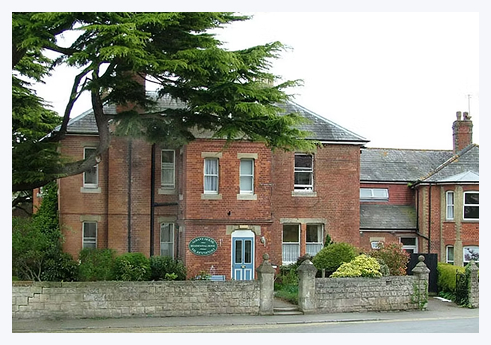
For families specifically researching residential care options in Wiltshire, Albany House in Tisbury offers 24-hour residential care between Salisbury and Shaftesbury, with a long-standing reputation in the local community.
Frequently Asked Questions
What's the difference between a care home and home care housing?
A care home is a residential facility where someone moves in full-time and receives accommodation, meals, and care. Home care housing refers to independent housing — like sheltered or extra care accommodation — where someone keeps their own home but has access to varying levels of support.
Is home care available in both Herefordshire and Wiltshire?
Yes. Home care services operate on the same basic model across most UK counties, including both Herefordshire and home care Wiltshire providers, though specific agencies and availability will vary by area.
How do I know if a Herefordshire care home is good quality?
Check its most recent CQC inspection rating, ask about staff-to-resident ratios, and visit in person to assess the atmosphere, cleanliness, and how staff interact with current residents.
Can someone move between home care, home care housing, and a care home over time?
Yes — many families start with home care, move into home care housing if more support is needed, and transition to residential or nursing care later if a relative's needs increase further. Reassessing needs periodically helps families plan ahead rather than react during a crisis.
This guide is provided as general information for families researching care and housing options across Herefordshire, Wiltshire, and surrounding areas.